
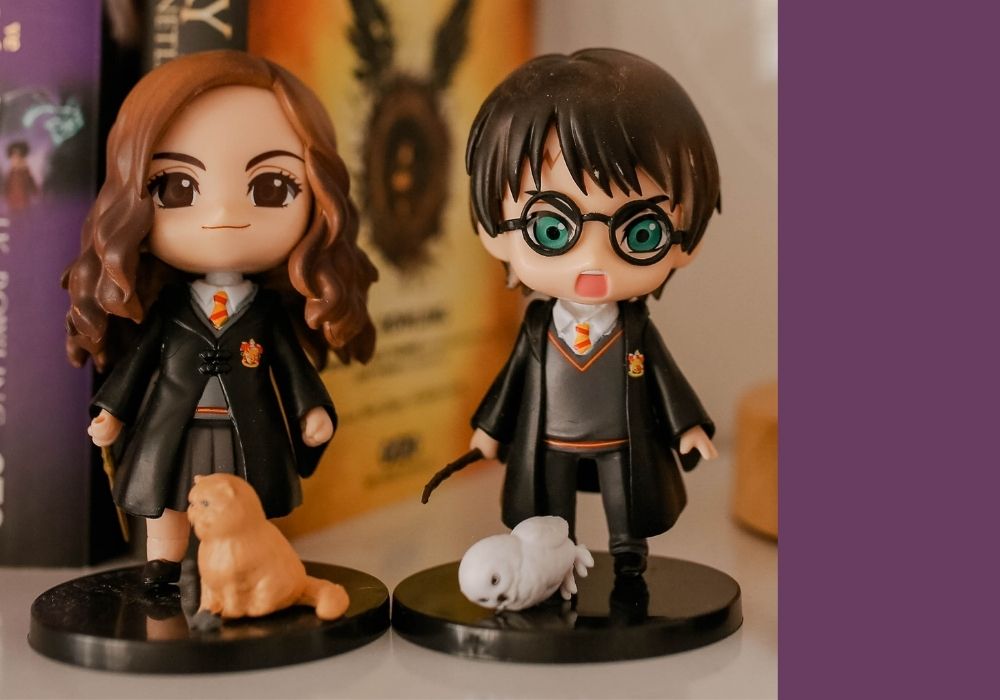
How Beloved Characters, Smart Licensing, and Data-Driven Strategy Drive Toy Making
The global toy industry has always been fueled by imagination, but in today’s market, much of that imagination begins with entertainment IP from movies, TV shows, and gaming franchises. From cinematic universes to streaming sensations, beloved characters and worlds inspire many of the world’s bestselling toy lines, turning screen-based fantasy into hands-on play.
Modern toy aisles are filled with dolls, action figures, collectibles, playsets, and interactive games that trace their origin back to a blockbuster franchise or viral animated series. This is because entertainment properties build emotional connections that fuel consumer demand. When fans connect with a character or story, they look for ways to extend that emotional bond through toys, merchandise, and collectibles.
But all this fun requires sophisticated intellectual property licensing technology to manage the partnerships and intricacies. Licensing agreements, rights and royalty management tools, and AI-powered analytics empower brands to more effectively transform creativity into commerce.
This article explores how entertainment properties shape toy trends, how movies and shows inspire product innovation, and how technology helps manage the rapidly expanding world of entertainment licensing.
Why Entertainment IP Drives Toy Sales
Children and adults alike want to engage more deeply with the stories and characters they love, and toys and games provide a tangible way to continue the adventure.
Entertainment and toy companies have been capitalizing on their synergies for years. In 1997, Micro Games of America, the first Nintendo distributor, changed its name to MGA Entertainment and introduced a doll brand. More recently, MGA Entertainment merged with Zapf Creation AG, a European doll manufacturer. In 2019, Hasbro acquired Entertainment One, integrating broadcast brands like Peppa Pig with Hasbro’s toy expertise.
Others, like Marvel and Disney, have chosen to focus on entertainment and license toy manufacturing to companies like Hasbro and Mattel rather than expand into toy manufacturing themselves. While this allows these companies to focus on their center of excellence, licensing comes with its own complexities.
Either way, the success of this cross-industry collaboration is fueled by several factors:
Built-in recognition and trust
A familiar character or franchise makes products more attractive to consumers and reduces guesswork for parents and gift-givers alike. Whether it’s Star Wars, Marvel, Barbie, or Pokémon, entertainment IP provides instant recognition and trust, which in turn boosts sales for licensees and increases royalties for licensors.
Emotional and cultural engagement
Fans forge strong emotional bonds with characters like Elsa, Bluey, and Iron Man, often connecting them to values and aspirations. When a toy carries one of these characters, it feels like it’s part of a larger story that children and families are already invested in.
Nostalgia across generations
Nostalgia is a powerful sales driver, as evidenced by enduring franchises like Hello Kitty (launched in 1974) and Star Wars (debuted in 1977). These brands bring adults back into the toy market as collectors and parents.
Franchise Expansion
Movie, TV, and digital gaming franchises continue to expand by creating interconnected stories through prequels (think Wicked), sequels (think Spider-Man), and spin-offs (think The Simpsons). Creators are also extending the lifespan of current franchises by introducing new characters, like the birth of Peppa Pig’s baby, Evie.
Examples of Entertainment IP with Strong Emotional Pull
- Bluey, Peppa Pig, and PAW Patrol continue to dominate early childhood markets, with regional strengths (Peppa Pig is stronger in the UK, while PAW Patrol leads in the US).
- Pokémon remains a global merchandising powerhouse, with trading cards and plush toys in constant demand.
- Build-A-Bear collaborations with Bluey, Pokémon, Star Wars, and Disney offer fans a way to personalize their connection with the characters. Build-a-Bear and Sanrio (Hello Kitty) even launched their first licensed retail location in 2025.
- Films and musicals like Wicked, the Hunger Games, and Barbie have inspired activity kits, card games, and dolls and action figures that can be outfitted with a multitude of accessories.
- Fantasy and adventure titles like How to Train Your Dragon, Jurassic World, and Lilo & Stitch are driving the creation of interactive games.
- LEGO continues to create sets inspired by every major entertainment category: movies, TV shows, and video games.
Toys aren’t just a second thought for the entertainment industry. They are relied upon for lucrative revenue streams as well as keeping entertainment IP alive and relevant.
How Movies, TV, and Games Inspire Toy Innovation
Each category of entertainment influences toy development differently. These differences shape retail strategies, manufacturing timelines, and toy licensing terms.
Movies: Blockbuster-driven toy timelines
Movies create powerful but time-sensitive merchandising windows. Studios, toy manufacturers, and retailers coordinate global product launches to coincide with theatrical releases, often building hype months in advance.
Movie-based toys may have shelf lives of just a few months before the next blockbuster releases, so licensing negotiations often require careful planning to maximize that concentrated burst of demand. However, some stand the test of time. While Barbie sparked a sales surge for both classic and collector-focused dolls after the movie release in 2024, Marvel’s Cinematic Universe is ever-expanding, driving a consistent demand for action figures, role-play gear, and collectibles tied to their superheroes.
Television and Streaming: Long-term engagement
TV and streaming series often maintain longer-term audience engagement, making them ideal for evergreen toy sales. Their ongoing storylines help toys maintain relevance beyond a single season, which often leads to licensees negotiating longer-terms contracts.
PAW Patrol is on its thirteenth season and its spin-off series, Rubble & Crew, has three seasons under its belt already. Geared to a slightly older audience, Stranger Things is drawing significant attention by partnering with Target for a campaign that promotes its fifth season on Netflix as well as retro toys and merchandise sold at Target.
Gaming Franchises: Bridging digital and physical play
Gaming has emerged as one of the fastest-growing sources of toy inspiration. Gamers form emotional connections based on community, progression, and achievement, making video games a strong driver for licensed toy demand.
Fortnite has released action figures, Nerf blasters, and playsets based on in-game skins and emotes. Pokémon is perhaps the most successful gaming-to-toy franchise ever, spanning trading cards, plush toys, electronics, and collectibles. And Super Mario Bros. offers a different spin, having released its first video game in 1985. After a 1993 box-office bomb, the brand was rejuvenated in 2023 with the release of another Super Mario Bros. movie, which resulted in increased game sales and downloads.
The engagement of digital gaming naturally extends to physical play, making it an attractive category for toy companies.
The Business Behind the Magic: Inside Toy Licensing and Entertainment Royalties
The expanding connection between entertainment and the toy industry is predominantly governed by intellectual property licensing agreements. These agreements turn creative assets into marketable products produced by licensees that pay royalties to licensors for they use of their IP.
A Closer Look at the Entertainment-to-Toy Value Chain
1. Licensors
Studios, publishers, and rights holders grant rights to toy manufacturers to use characters, logos, and artwork for specific product categories.
2. Licensees
Toy makers pay royalty fees—usually a percentage of sales revenue—to the IP owner.
3. Retailers
Entertainment IP drives foot traffic and online searches for familiar brands, helping retailers boost sales.
Seems pretty straightforward, right? Now, think about managing licensing rights across dozens of partners, hundreds of SKUs, multiple territories, and multi-year agreements. All of a sudden, this mutually beneficial way to extend beloved characters and worlds to toys and games is no longer child’s play.
A single property like Jurassic World, for example, may have different licensees for action figures, board games, plush toys, and collectibles, and each carries unique terms. Add tariffs, regional restrictions and regulatory requirements, international retail strategies, and product refresh cycles, and the challenge amplifies.
This complexity has made technology essential for ensuring contracts, rights, and royalty payments are accurate and compliant.
Managing Intellectual Property Licensing with Data and Technology
As entertainment IP expands globally, manual tracking methods like spreadsheets or email-driven processes simply can’t keep up. Modern licensing requires automation, analytics, and centralized visibility. A purpose-built rights and royalty management solution provides:
Centralized rights visibility
Licensees and licensors gain visibility into contract and usage terms, so they can instantly see where, when, and how each property can be used. This prevents rights overlaps, accidental violations, and unauthorized products.
Automated royalty reporting and processing
When you’re dealing with different territories, regional regulations, minimum guarantees, and tiered royalties, keeping up using spreadsheets is a losing battle. Instead of manually calculating earnings for hundreds of products and partners, software automates the process with speed and accuracy.
Brand protection
With a Product Approval system to standardize and streamline the product submission and review process, licensors can boost efficiency, reduce costs, and enforce compliance with brand guidelines – safeguarding product quality and maintaining governance throughout the lifecycle.
Predictive analytics
Data patterns help identify trends, like which franchises are performing best, which regions favor certain franchises, and which toy categories are most appealing. This helps licensees better negotiate contracts and supports accurate forecasting for both licensees and licensors.
Audit-ready compliance
Licensing audits on are on the rise, and defending them can take months or even years. A digital, on-demand audit trail allows licensees to quickly and confidently respond to audits.
How FADEL Empowers Entertainment Licensing and Toy Industry Success
FADEL offers two powerful solutions to support licensors and licensees of all sizes: IPM Suite for enterprise licensors and licensees, and LicenSee for small-to-midmarket licensees. FADEL’s cloud-based software offers features that support licensing from end to end:
- Deal management – Capture even the most complex agreement terms and quickly access deal history for a complete audit trail.
- Automated royalty calculation – Automate payments with speed and accuracy that takes into account contractual nuances like tiered royalty rates and minimum guarantees.
- Licensor-specific report generation – Speed up royalty reporting with out-of-the box, ready-to-submit templates for leading licensors, including Disney, Hasbro, Warner Bros, Mattel, and more.
- Product approval – Protect your brand and ensure compliance with FADEL’s Product Approval system. Verify that packaging and product designs comply with brand and agreement guidelines.
- Real-time analytics – Gain insights into product performance, profitability, market growth, and emerging trends.
- Support for global complexity and tariffs – Manage fluctuating terms and added complexities to respond to tariffs and international regulation shifts.
FADEL strengthens collaboration between rights holders and toy manufacturers, making partnerships more efficient and profitable. From blockbuster movies to binge-worthy streaming series to immersive video games, FADEL helps entertainment and toy companies extend storytelling into the physical world.
Learn how FADEL’s rights and royalty management solutions bridge the gap between creativity and commerce to support both innovation and operational efficiency. Schedule a demo today.