
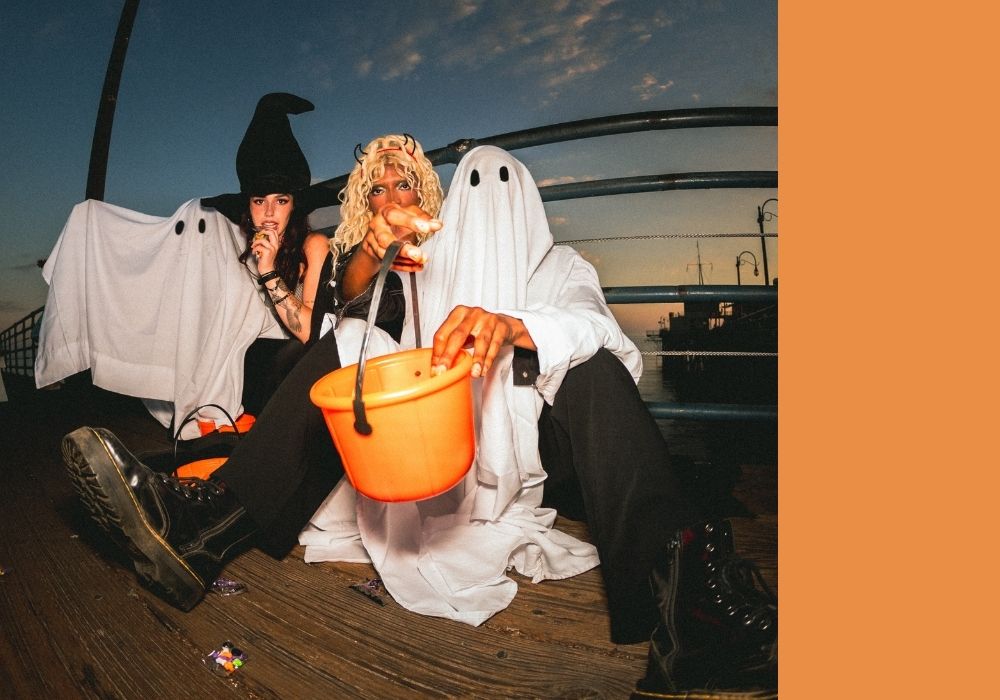
From viral animatronics and iconic costumes to immersive haunted attractions and candy collaborations, Halloween reveals the extraordinary commercial power of intellectual property.
Halloween is no longer just about trick-or-treating, jack-o’-lanterns, and scary movies. It’s a major commercial event that brings together entertainment, fashion, food and beverage, gaming, retail, and experiential entertainment, all powered in part by intellectual property (IP) licensing.
Every October, beloved characters leap off screens and into costume aisles, horror villains appear as life-size animatronics, candy brands collaborate with entertainment franchises, and theme parks transform into immersive haunted worlds. Meanwhile, dedicated horror fans keep their favorite franchises alive throughout the year through conventions, collectibles, and online communities.
For licensors and licensees, Halloween represents more than a seasonal sales opportunity. It demonstrates how recognizable IP can create new revenue streams, reach different generations, and build lasting connections with consumers.
But behind every licensed costume, collectible, and haunted attraction is a complex web of licensing agreements, product approvals, royalty obligations, and brand protection requirements.
Costumes: Where Characters Come to Life
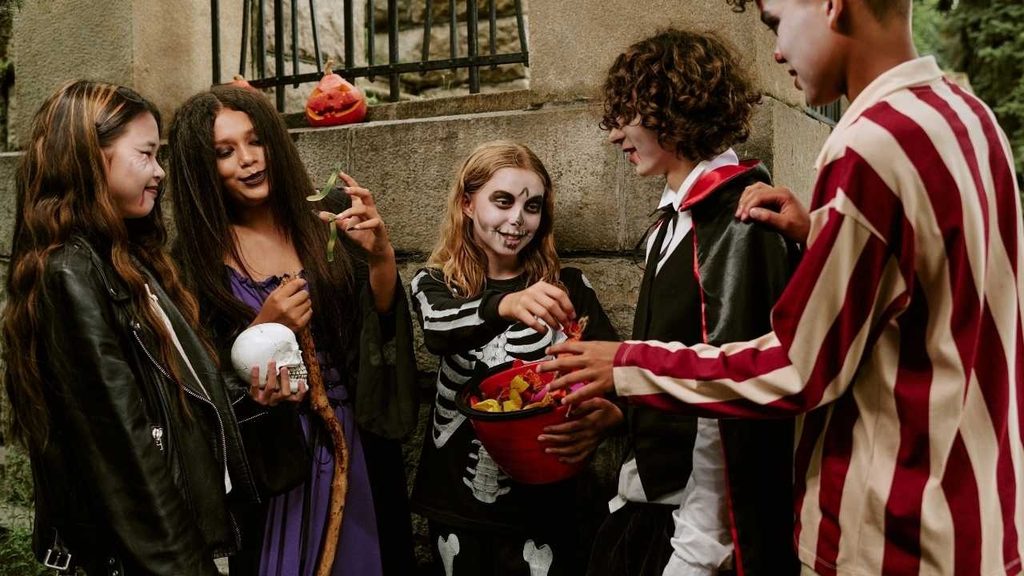
Costumes are perhaps the most recognizable example of Halloween licensing. Each year, consumers transform into their favorite movie characters, superheroes, video game personalities, and iconic horror villains.
From Wednesday Addams and Beetlejuice to Scream, Star Wars, and Five Nights at Freddy’s, entertainment franchises inspire an enormous range of costumes and accessories.
And it’s not just children participating. Adults increasingly embrace elaborate costumes, nostalgic characters, and coordinated group looks, while pet costumes have become another way for fans to celebrate their favorite brands and characters.
This creates licensing opportunities across multiple product categories, including masks, wigs, makeup, props, accessories, and apparel.
For licensors, costumes help extend the visibility and commercial life of their characters. For licensees, the challenge is bringing recognizable, brand-compliant products to market within a relatively short seasonal window.
Each product may require specific rights, design approvals, factory requirements, territory permissions, and royalty arrangements, making effective licensing management essential.
When Halloween Decorations Become Viral Collectibles
Halloween decorations have evolved far beyond plastic skeletons and inflatable pumpkins. Today’s enthusiasts invest in elaborate home displays featuring life-size animatronics, interactive props, synchronized lighting, and cinematic special effects.
Licensed horror characters are particularly popular, turning familiar faces from films and video games into premium decorations and collectibles.
Freddy Fazbear: From Video Game Character to Halloween Sensation
One of 2026’s standout examples is the Freddy Fazbear animatronic inspired by the Five Nights at Freddy’s franchise.
The life-size character attracted significant attention among Halloween enthusiasts and gaming fans, demonstrating how recognizable entertainment IP can become a sought-after physical product.
The appeal extends beyond traditional Halloween decorating. For dedicated fans, these animatronics are collectibles, display pieces, and opportunities to bring a favorite fictional universe into the real world.
Social media adds another dimension. Videos showcasing interactive animatronics, elaborate displays, and fan reactions can introduce licensed products to audiences far beyond the original customer base.
For IP owners, this creates an opportunity to extend a franchise into premium merchandise, while manufacturers can capitalize on existing fan communities and character recognition.
However, sophisticated licensed products also introduce additional complexities. Beyond character likenesses and trademarks, animatronics may incorporate protected audio, music, dialogue, and visual designs that require appropriate licensing permissions.
The lesson? A Halloween decoration can be much more than a seasonal purchase. It can become a cultural moment that strengthens fandom and creates demand for future licensed products.
Beyond the Screen: Haunted Attractions and Immersive Experiences
Halloween licensing doesn’t stop at physical merchandise. Some of the most memorable ways consumers engage with their favorite horror franchises are through immersive, real-world experiences.
Events such as Universal’s Halloween Horror Nights bring recognizable entertainment properties to life through themed haunted houses, live performers, elaborate sets, and interactive storytelling. Other opportunities include licensed escape rooms, haunted attractions, pop-up experiences, themed dining, and live entertainment.
These experiences allow fans to step directly into fictional worlds, creating emotional connections that extend beyond watching a film or purchasing merchandise. Just think about walking into The Upside Down from Stranger Things or an Ozzy Osbourne experience!
For licensors, location-based entertainment offers another way to monetize established IP while introducing franchises to new audiences. It can also create opportunities for associated merchandise, food and beverage collaborations, and promotional partnerships.
But experiential licensing involves its own complexities. Agreements may need to address character appearances, film imagery, music, performances, promotional materials, geographic restrictions, and the duration of the experience.
Ensuring that all the necessary rights are secured and that the experience remains consistent with the brand is critical.
Candy and confectionery companies have long embraced seasonal packaging, themed products, and promotional partnerships. Licensed characters can add excitement to familiar treats, while limited-edition flavors and packaging encourage seasonal purchases.
From Candy Aisles to Fashion Collections: Halloween Collaborations Everywhere
Halloween is also a prime opportunity for brands to reach consumers through unexpected collaborations.
But Halloween collaborations extend well beyond candy.
Fashion and apparel: Horror-inspired streetwear, graphic tees, footwear, pajamas, and accessories allow fans to incorporate their favorite franchises into everyday wardrobes.
Beauty and cosmetics: Halloween-themed makeup palettes, nail collections, fragrances, and character-inspired beauty products connect entertainment IP with self-expression.
Food and beverage: Restaurants, coffee chains, and packaged food brands can create themed menus, promotional products, and limited-time collaborations.
Home and lifestyle: Licensed kitchenware, blankets, candles, décor, and seasonal accessories bring Halloween into consumers’ everyday environments.
Toys and collectibles: Action figures, plush toys, figurines, and limited-edition collectibles appeal to both casual shoppers and dedicated fans.
These cross-category collaborations demonstrate the versatility of intellectual property. A single entertainment franchise can appear across numerous product categories, price points, and retail channels.
For licensing teams, however, every expansion introduces additional agreements, approval workflows, royalty structures, and brand guidelines that must be managed.
Horror Fandom Doesn’t End on November 1
While Halloween provides a major seasonal sales opportunity, the popularity of horror IP extends far beyond October.
Entire conventions are dedicated to horror films, iconic characters, collectibles, and the communities surrounding them.
Events such as Midsummer Scream and For The Love of Horror bring together horror enthusiasts for celebrity appearances, autograph sessions, screenings, cosplay, exclusive merchandise, and fan experiences.
These gatherings demonstrate something important for licensors: horror isn’t simply a seasonal entertainment category. It’s a passionate, year-round fandom.
The Commercial Power of Nostalgia
Classic horror franchises such as Friday the 13th, A Nightmare on Elm Street, Halloween, and Scream continue to inspire new merchandise decades after their original releases.
Fans who grew up with these properties may now purchase premium collectibles, apparel, replicas, and convention-exclusive merchandise. Meanwhile, younger audiences discover established franchises through streaming, gaming, social media, and new film adaptations.
This intergenerational appeal gives established IP an unusually long commercial lifespan.
Limited-edition products and exclusive releases can further strengthen demand by giving collectors something distinctive to seek out.
For licensors, the opportunity is to continually refresh established properties through new partnerships and product categories while preserving the identity that made them recognizable in the first place.
Halloween Goes Digital: Gaming and Virtual Experiences
Gaming has become another important avenue for Halloween licensing, connecting established entertainment franchises with highly engaged digital audiences.
Seasonal gaming events, character skins, downloadable content, and virtual experiences allow players to interact with horror and entertainment IP in new ways.
Games such as Fortnite and Dead by Daylight demonstrate how character crossovers can introduce recognizable properties into interactive environments, creating opportunities for both gaming companies and entertainment rights holders.
These collaborations can also work in reverse. Successful gaming franchises can expand into films, costumes, collectibles, and physical Halloween merchandise, as illustrated by Five Nights at Freddy’s.
For licensors, digital collaborations open additional channels for brand exposure and monetization. They also introduce considerations around digital usage rights, character representation, promotional permissions, and revenue-sharing arrangements.
As physical and digital entertainment become increasingly interconnected, licensing teams need visibility into how their IP is being used across both environments.
The Business Behind the Boo: Why Halloween Licensing Is Complex
The excitement surrounding Halloween products and experiences can make licensing look effortless. In reality, bringing these collaborations to market requires careful coordination among IP owners, manufacturers, retailers, creative teams, and licensing partners.
And Halloween introduces a particularly important challenge: timing.
Unlike evergreen merchandise, Halloween products have a limited selling window. Missing a critical approval or manufacturing deadline can mean missing the season entirely.
Several operational challenges are especially important:
- Complex licensing agreements: A single product collection may involve multiple characters, rights holders, product categories, territories, and royalty rates.
- Product approvals: Costumes, packaging, decorations, and promotional materials must comply with brand guidelines before production and distribution.
- Royalty reporting: Licensees must accurately calculate and report royalties across products, sales channels, and licensing agreements.
- Minimum guarantees and forecasting: Seasonal demand can be difficult to predict, making financial planning and contractual commitments especially important.
- Rights and usage restrictions: Companies must ensure that characters, trademarks, images, music, and other protected assets are used only as permitted.
- Counterfeiting and unauthorized merchandise: Popular Halloween franchises can attract counterfeit products and unauthorized uses of protected IP.
- Inventory and sell-off provisions: Unsold seasonal merchandise may be subject to contractual restrictions governing when and how it can be sold after Halloween.
As licensing programs expand across more categories and partners, relying on spreadsheets, disconnected systems, and manual approval processes can make these challenges even harder to manage.
Bringing Halloween Licensing to Life with FADEL
Whether managing a portfolio of horror franchises, manufacturing licensed costumes, or coordinating seasonal brand collaborations, licensors and licensees need the right systems to keep licensing operations organized, accurate, and efficient.
FADEL’s AI-enabled licensing and brand compliance solutions help organizations manage the business processes behind licensed products and experiences.
FADEL IPM Suite™ helps licensors and licensees centralize licensing agreements, manage contractual rights and obligations, automate royalty calculations, and improve financial reporting.
LicenSee is a starter solution that helps licensees manage their licensing portfolios, track contractual commitments, and streamline royalty reporting across multiple licensors and product categories.
FADEL Product Approval supports the review and approval of licensed products, helping teams coordinate creative workflows and maintain brand consistency.
FADEL Brand Vision helps organizations manage rights associated with digital assets and monitor content usage, supporting brand compliance and protection against unauthorized use.
And with AIVA™, FADEL’s AI capabilities, organizations can further streamline licensing workflows through intelligent contract processing, information retrieval, and business insights.
Together, these capabilities help licensing teams manage complexity, reduce manual effort, and support faster, more informed decision-making.
Halloween May Be Seasonal, but Licensing Opportunities Are Year-Round
From viral Freddy Fazbear animatronics and iconic horror costumes to immersive haunted attractions, candy collaborations, and dedicated fan conventions, Halloween showcases the remarkable versatility of intellectual property.
What begins as a movie, television show, or video game can evolve into an entire ecosystem of merchandise, experiences, and brand partnerships, sometimes lasting for generations.
For licensors and licensees, the opportunity goes well beyond October. The challenge is managing those opportunities effectively as franchises expand across products, partners, markets, and platforms.
While Halloween may be full of tricks and treats, successful licensing requires the right combination of creativity, strategy, and operational control.
Discover how FADEL helps licensors and licensees simplify licensing operations, automate royalties, streamline product approvals, and protect the brands behind the products consumers love.